
Hope in the dark
Story Doula March 2026

I’m Bel Lopez, and this is Story Doula, a newsletter exploring why we tell stories and how we stay connected— with our communities, with each other, with ourselves.
I begin with a sale offer I’m getting no commission on: Rebecca Solnit’s Hope in the Dark is 40 percent off right now, for US$5.99 as an ebook. I pitch it to you because it has given me consolation more than once.
I was able to download the book for free many years ago. It was during some world disaster in the last decade, and among so many, I can’t quite remember which one. Back then, Solnit offered it as a gift to her readers, and the book did something to my brain, a visceral shot of hope and strength.
I own the third edition, and in the foreword Solnit opens:
Our opponents would love you to believe that it’s hopeless, that you have no powers, that there’s no reason to act, that you can’t win. Hope is a gift you don’t have to surrender, a power you don’t have to throw away. And though hope can be an act of defiance, defiance isn’t enough reason to hope. But there are good reasons.
She outlines the many world disasters of that time, and the many social movements of 2015, when she wrote these words. The last ten years following that look to me now as a time of bad-faith actors and attitudes across the political spectrum, of profound cynicism and closed-mindedness. And so Solnit’s words, though aged, seem more current, somehow, more open and clear-eyed, for the reality we now face.
It’s important to say what hope is not: it is not the belief that everything was, is, or will be fine. The evidence is all around us of tremendous suffering and tremendous destruction. The hope I’m interested in is about broad perspectives with specific possibilities, ones that invite or demand that we act. It’s also not a sunny everything-is-getting-better narrative, though it may be a counter to the everything-is-getting-worse narrative. You could call it an account of complexities and uncertainties, with openings …It’s a statement that acknowledges that grief and hope can coexist.
Pig Feast
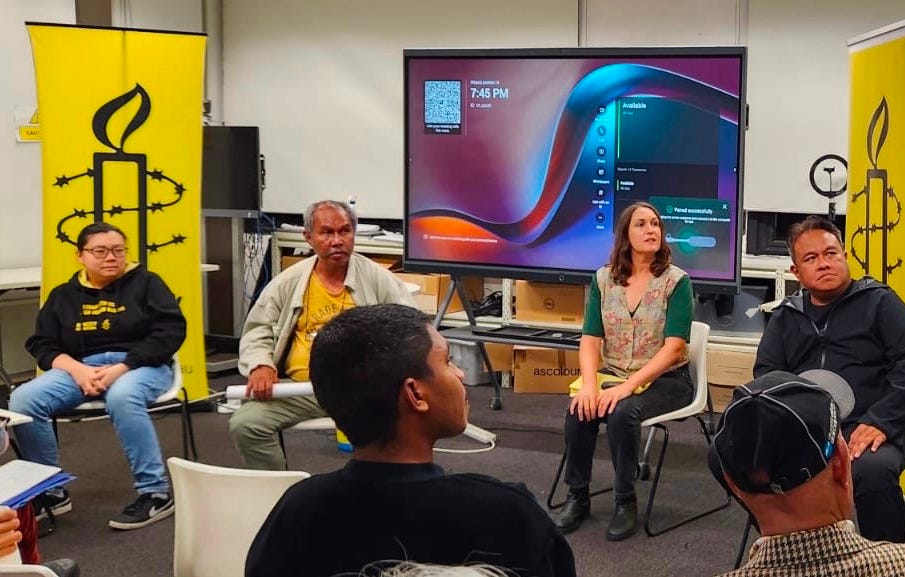
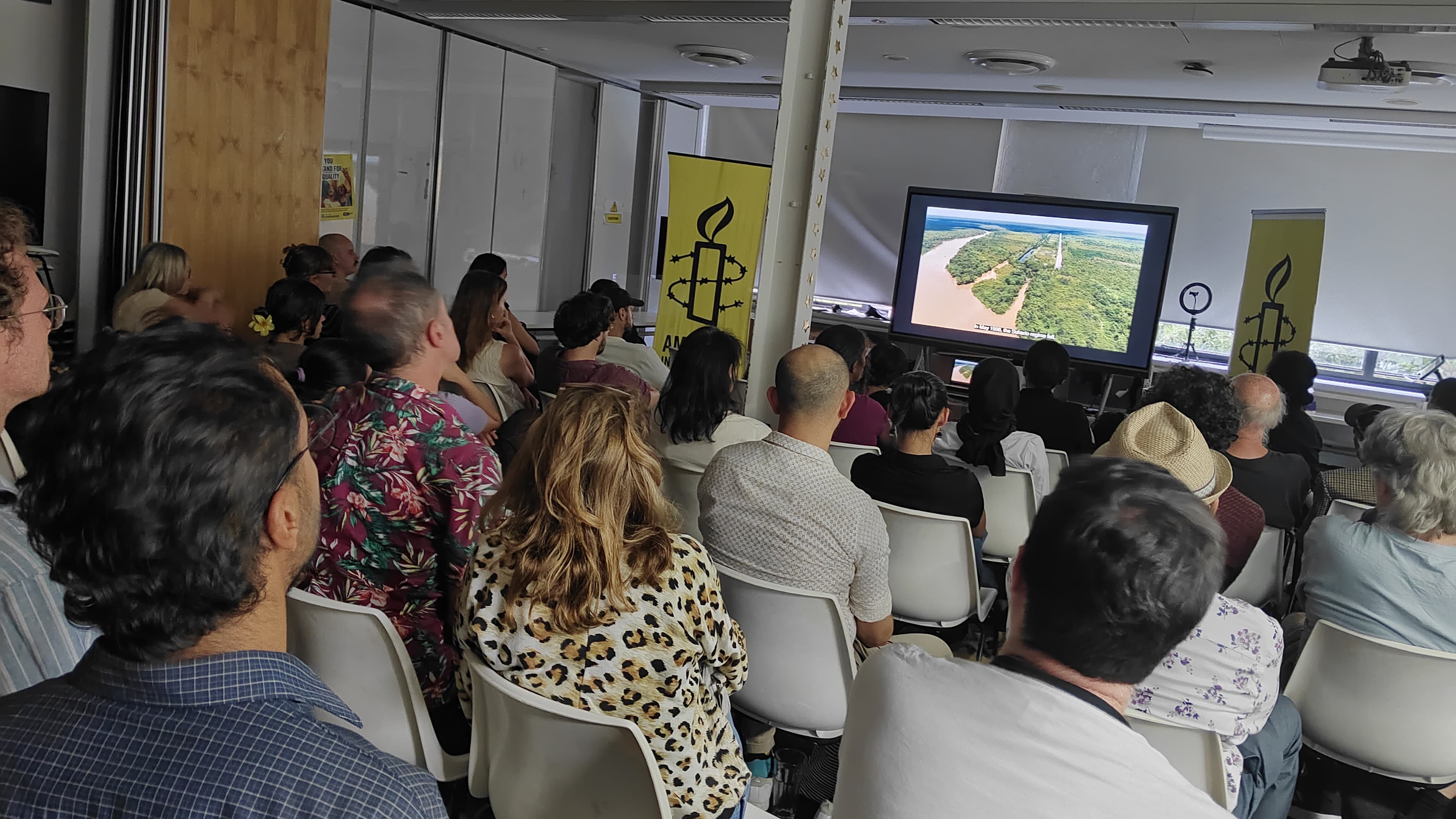
Pig Feast is a new groundbreaking documentary about ecocide happening on Australia’s doorstep, and almost entirely ignored in the mainstream. Made by leading Papuan and Indonesian filmmakers, it pays much-needed attention to the largest deforestation project in Indonesia. The ecocide is paired with another kind of destruction, of democratic norms and silencing of critics.
We held an event at the first Australian showing of the film last week, and I moderated a discussion with the filmmakers, director Dandhy Laksono and executive producer and Tabloid Jubi editor Victor Mambor. It’s a vital documentary I wish everyone I know would see. When it’s available publicly I’ll be sure to let you know.
In the meantime, for excellent Australia-based First Nations independent reporting, Amy McQuire has relaunched Black Witness
Workshop
For those in Sydney and surrounds wanting to get back into beginner’s mind for a new project, or lagging project (or a yet-to-be dreamed of project!) in fiction or non-fiction, writing, documentary and more, I’m running a course with the South Coast Writers Centre called Find Your Story.
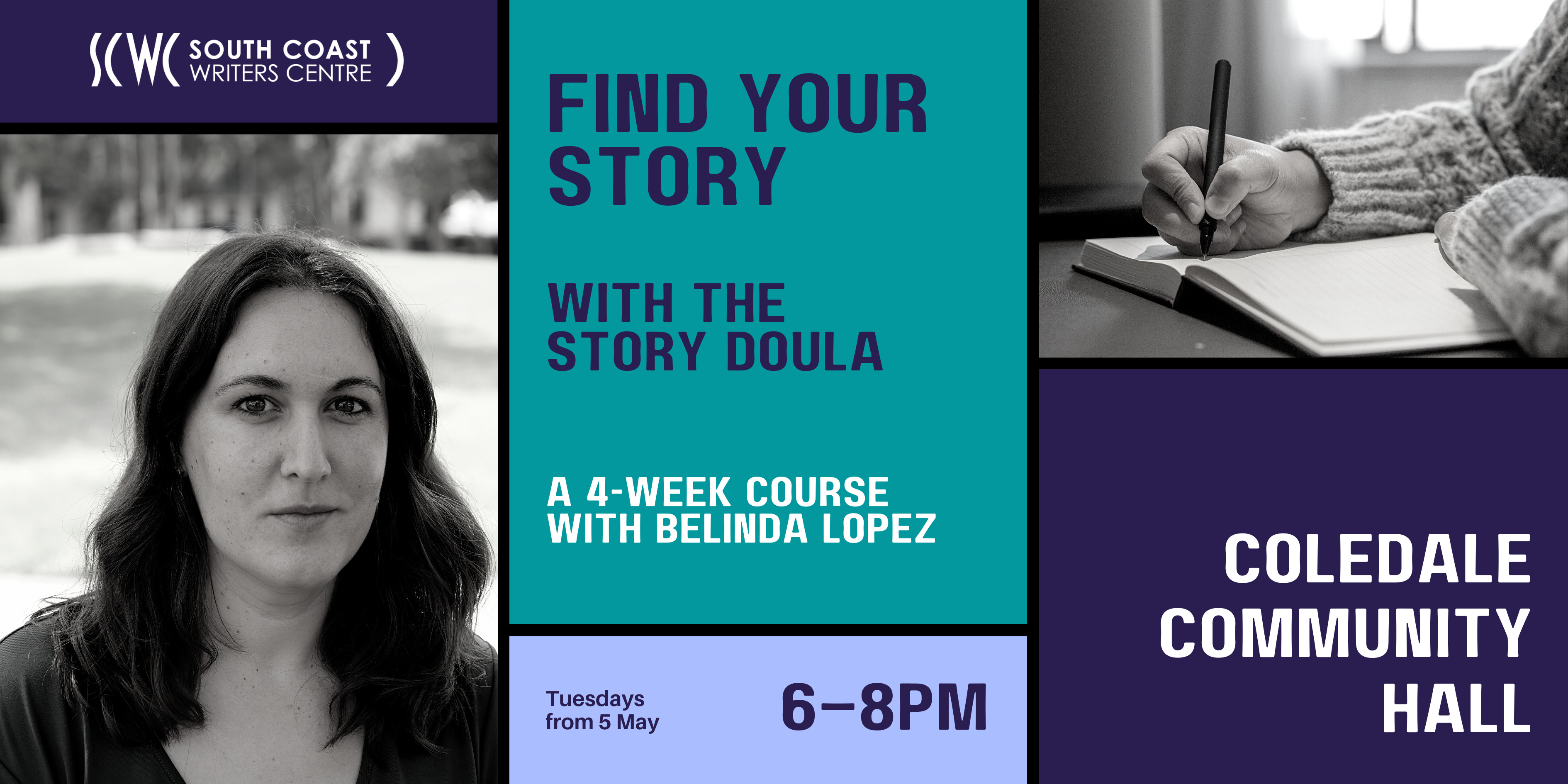
It’s pitched at all levels of experience, because we know that each new project, your first or your fiftieth, is as risky as the last. It’s a gentle and germinating four-week course designed around small experiments that will get you making in a supportive group. Love to see you there.
Send me your reflections, suggestions and critical feedback to notes@belindalopez.net. If you’re reading this over email, you can also hit reply.
x Bel