
99 Problems But a Book Ain't One: Melissa Sharman, 'Crazy Love'
'Sometimes brokenness isn't the end'

I’m Bel Lopez, and this is Story Doula, a newsletter exploring why we tell stories and how we stay connected— with our communities, with each other, with ourselves.
Send me your reflections, suggestions and critical feedback to notes@belindalopez.net. If you’re reading this over email, you can also hit reply.
If you’re having [life] problems, I feel bad for you, son
I got 99 problems, but a [book] ain’t one
With massive apologies to Jay-Z.
99 Problems But a Book Ain’t One is a new project from Story Doula, to remind ourselves of how books, writing and literature can be a balm, a salve, a tonic, as we collectively find ourselves turning to other ways of tuning out and numbing.
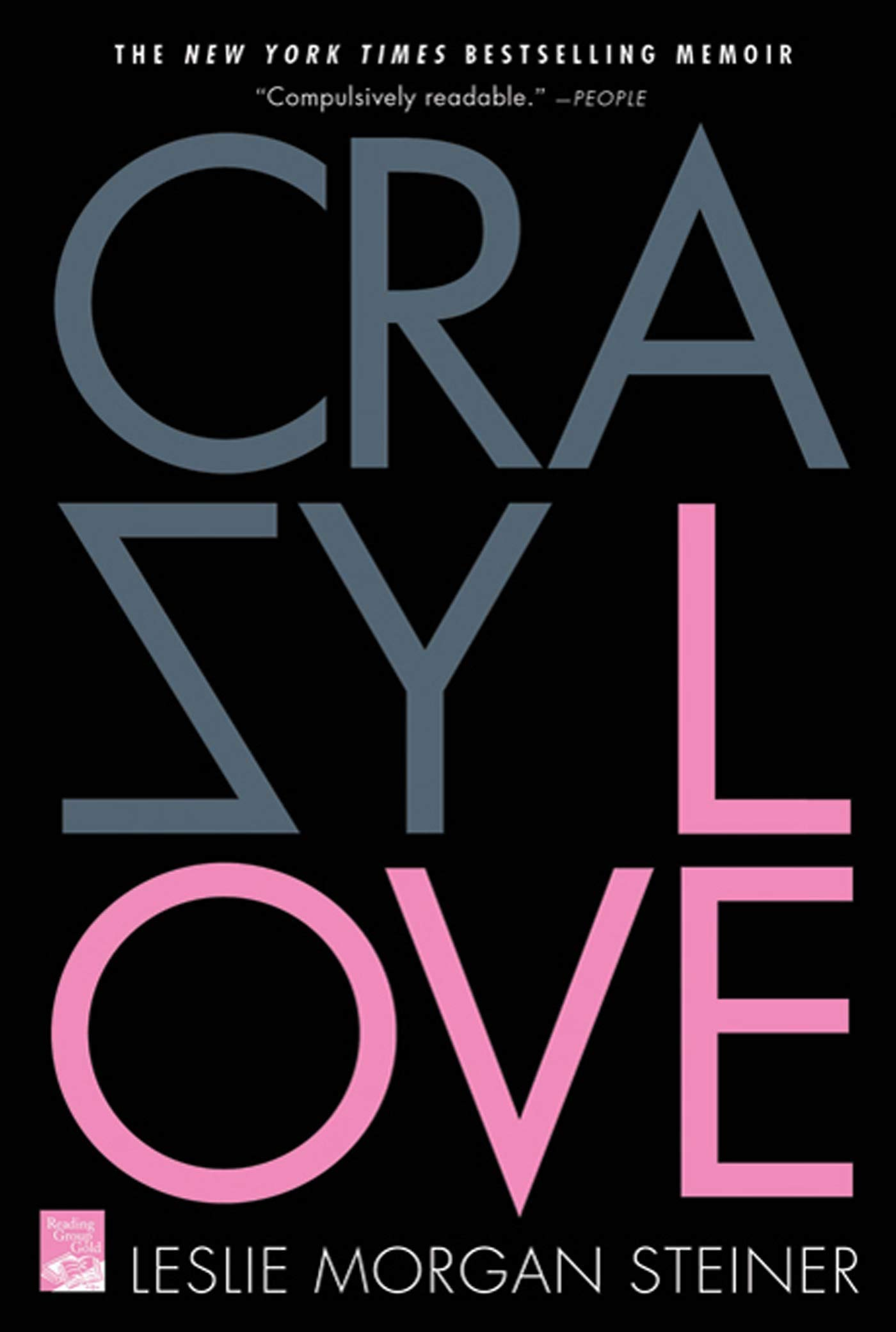
Today, first-time author and domestic violence specialist Melissa Sharman has chosen Crazy Love by Leslie Morgan Steiner as her book balm of choice.
I first met Mel when I interviewed her for a narrative documentary I was making for the wonderful, now folded podcast This is About at the ABC. I always run long in my interviews, but this one went on into the evening, her and I delving ever deeper. I knew as I heard her tell her story in her generous, heartbreaking, hopeful way, that it deserved a wider audience.
She’s a domestic violence specialist, the founder of Egg Donation Australia and herself an egg donor and surrogate who has helped 22 children come into the world. And now, she’s a published author. Her book ‘The Beauty of Broken Things’ will be released in May 2026.
Bel: I think that you and I first spoke to each other for the first time nine years ago. And sometimes when I’m interviewing people, I can just see the book that they have in them. Like I can see the shape of it. And I just remember thinking, and I’m sure I told you as well: ‘Here it is’.
And now here’s the book. It’s here!
Mel: After that conversation that we had, while I’d been struggling for years to sort of figure out how to shape it, I went home. And for three months, I wrote. And then the Hatchette QWC Manuscript Development Awards came out. And I submitted it and then became one of the eight people that they chose across Australia. So after that conversation, it just became really super clear.
Bel: Oh, I didn’t realise it had happened straight after. That’s such an honour! And now you have a legit, physical, living in the world, book coming out, The Beauty of Broken Things. Where did that title come from?
Mel: Well, after COVID passed, I started working in suicide prevention. And so we would get referrals from the hospital right after they had sort of attempted. And I saw so much pain from them, but it was also in a very healing stage of my own life where I had gone through so much, but had gotten to the stage where I realised that if I hadn’t gone through what I’d gone through, I wouldn’t be in a space where I could help these other people and, you know, just help show them that sometimes brokenness isn’t the end, it’s actually the beginning.
Bel: So we go right to the beginning. I was interested in the book you’ve chosen to talk me through today, Crazy Love by Leslie Morgan Steiner. Can you tell me, if we are going back to the beginning, where you were when you read that book and what was happening in your life at the time?
Mel: I was fresh out of a 13-year relationship where I’d undergone some pretty extreme violence of all different kinds. And I’d spent years, you know, barely surviving and just trying to find a way to be okay through it, I suppose. And I loved him more than I loved myself.
When I first read this book it would have been mid 2015, about a year after I’d left. I was still grieving the loss of a marriage and a family and all the things that I’d sort of ever hoped for myself. I was working at a hospital at that stage and I went out on a break. And in my news feed came a TED talk from Leslie Morgan Steiner. And it was entitled ‘Why domestic violence victims don’t leave’ and I watched it in my break and I cried my eyes out.
And I realised that she had a book [Crazy Love]. And a month after that, I was going over to Europe. And we went from place to place, I would read this book and I didn’t put it down for days, really. And I think it’s probably the best way to describe it is when all the things you’ve been trying to find a name for, they sort of find you. All the questions that I had inside that I wasn’t sure how to make sense of, all the feelings, all the emotion, I read it in somebody else’s story.
I came back from that trip a really different person and I think it shifted past the grief and the ‘what if’ and into the ‘what is’. It allowed me to move on to the next step, of moving forward.
Bel: Are there any favourite quotes that have stayed with you from the book?
Mel: There’s a scene where she was in an interview. She had previously worked at Seventeen magazine as a writer. [Reads]:
I looked at my next question. At this point, I knew what the answer would be, but I needed to hear it from him: “The men you work with in your recovery groups, do they ever get better? Do they ever stop hitting their partners for good?”
His biggest sigh yet. I could practically see him shaking his head.
“No one I’ve ever studied has ever stopped being violent, all at once for an extended period of time. I’ve seen batterers make a lot of progress towards controlling their anger and expressing it in more productive ways. But I’ve never seen anyone who didn’t regress and beat their partners again at regular intervals, even while making significant progress. There is no one I work with who I could say, ‘this one is done, he’ll never batter anyone again.’”
“Okay,” I told him, “last question. If one of the wives or partners of your batterers came to you and said, what should I do? Should I wait for him and help him work it out? What would you tell that woman to do?”
He gave a short, humourless laugh.
“I would tell her that she is probably the last person on earth who could help him. First, she should help herself and her kids, if she has them, to stay away from him. And I’d warn her to be extremely careful, because abandoning a batterer often provokes his deadliest rage. But leaving is actually the best way for her to help the batterer, too, and to help our society, because she is letting him and the world know that what he’s doing is wrong and totally unacceptable. By removing herself from the relationship, she makes it clear that she cannot help him, paving the way for him to realise that the violence is his fault, his responsibility, and that he is the only one accountable for his behaviour.”
Bel: What did that speak to for you, ‘he is the only one accountable for his behaviour’?
Mel: I went to counselling and we went in as a couple once, and after a couple of sessions they said, “you don’t need to come anymore, he’s the one who needs to do the work”.
My ex gave me a black eye during a fight once and I took the kids and I ran to the Sunshine Coast and rocked up on my parents’ doorstep with a black eye, and I called the guy who ran the Men’s Behaviour Change programs, and I remember asking him, and I was pleading with him, going, “you know, can these men change? You know, is it possible for him to change?”
And he was really quiet, and he said, “it’s possible but it’s unlikely” and all I heard was “it’s possible” [laughs]. And the guy had said as well: “I’ve never seen a man change”.
He gave me the answer that I needed. I just hadn’t been ready to hear it yet.
And I think for this [book], it was just somebody else in a completely different context repeating what I already knew.
Bel: And it’s remarkable during that trip to Europe, even after you’d left the marriage, I think people don’t realise, you know, there is still a grieving process that takes place after the fact.
Mel: There’s a section in my book where I talk about, how do you grieve somebody who is not just your monster, your, you know, your abuser, the one who hurt you, but also your friend, your confidant, you know, the father of your children? You know, who could be a really nice person when he was a really nice person. How do you explain that to other people? How do you explain that to yourself, that you’re making this decision? Because I don’t think any perpetrator is 100% evil. Otherwise, it would be much easier.
Bel: You said you read this book in 2015. So 11 years after you read that book, you’re bringing out your own memoir, which is about domestic violence, but so much more — About surrogacy, egg donation, the kind of pioneering work you’ve done there, and the work you’ve done with other survivors. What do you want your book to give to the people who read it?
I suppose as time passed and as I started to heal, and as I started to be able to see things a little bit more clearly, I wanted to be able to put words to it that might help others realise that there was hope beyond their pain.
I work as a domestic violence specialist now in a drop-in centre. So I have women sit in front of me every single day who are experiencing domestic violence or have left or are in various stages of it. And they’re in pain and they don’t see, or they can’t see yet, the hope on the other side. They look at you and they ask questions like: “Will I always feel like this? One day will things be better?”
And I can look at them honestly and say, “The best is yet to come”. And I can say that with absolute clarity and honesty: that these are the dark days, but life does get better, after.
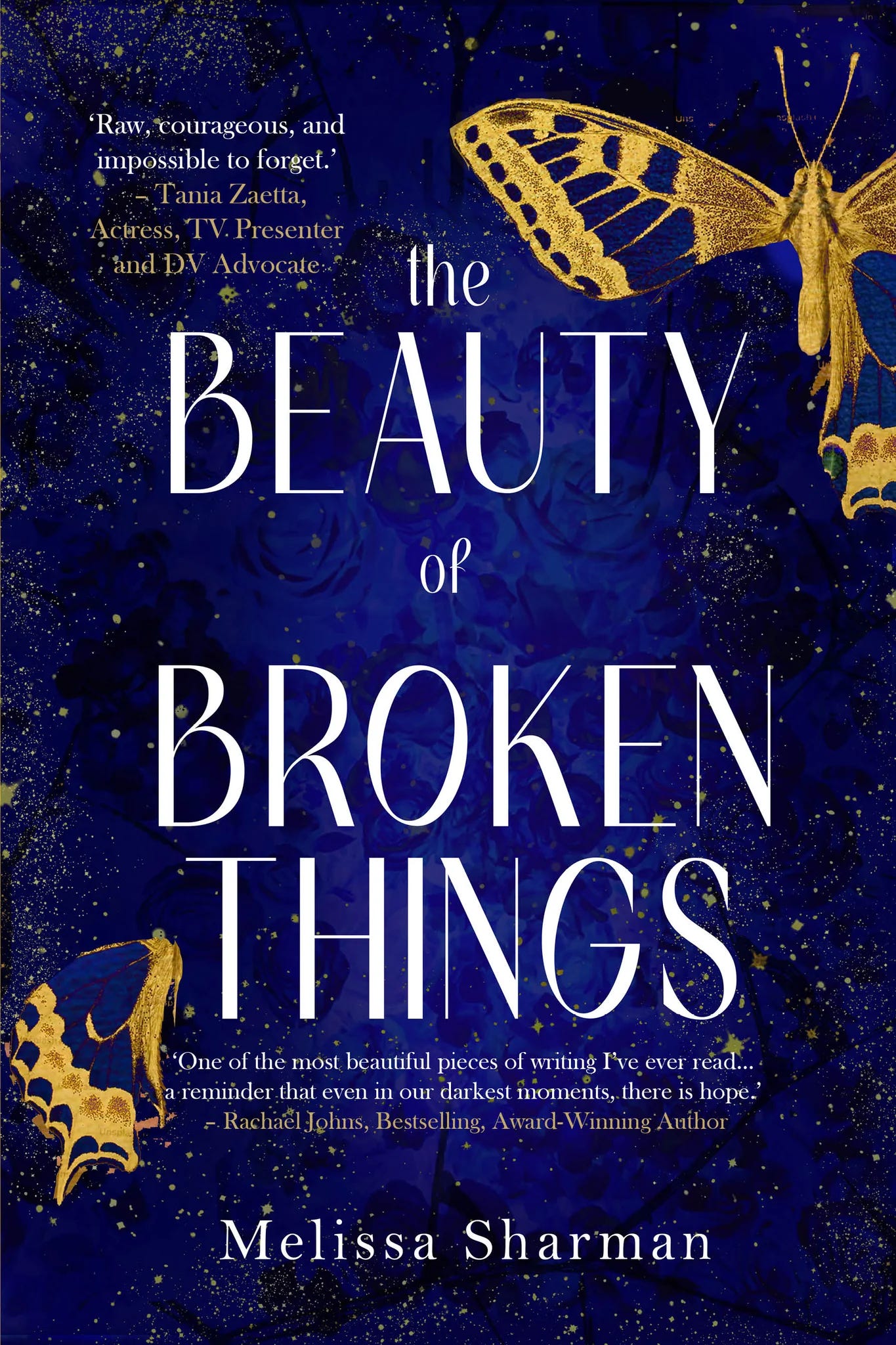
Mel’s book can be pre-ordered before its release on May 3, 2026.
Workshops! Would you join online?
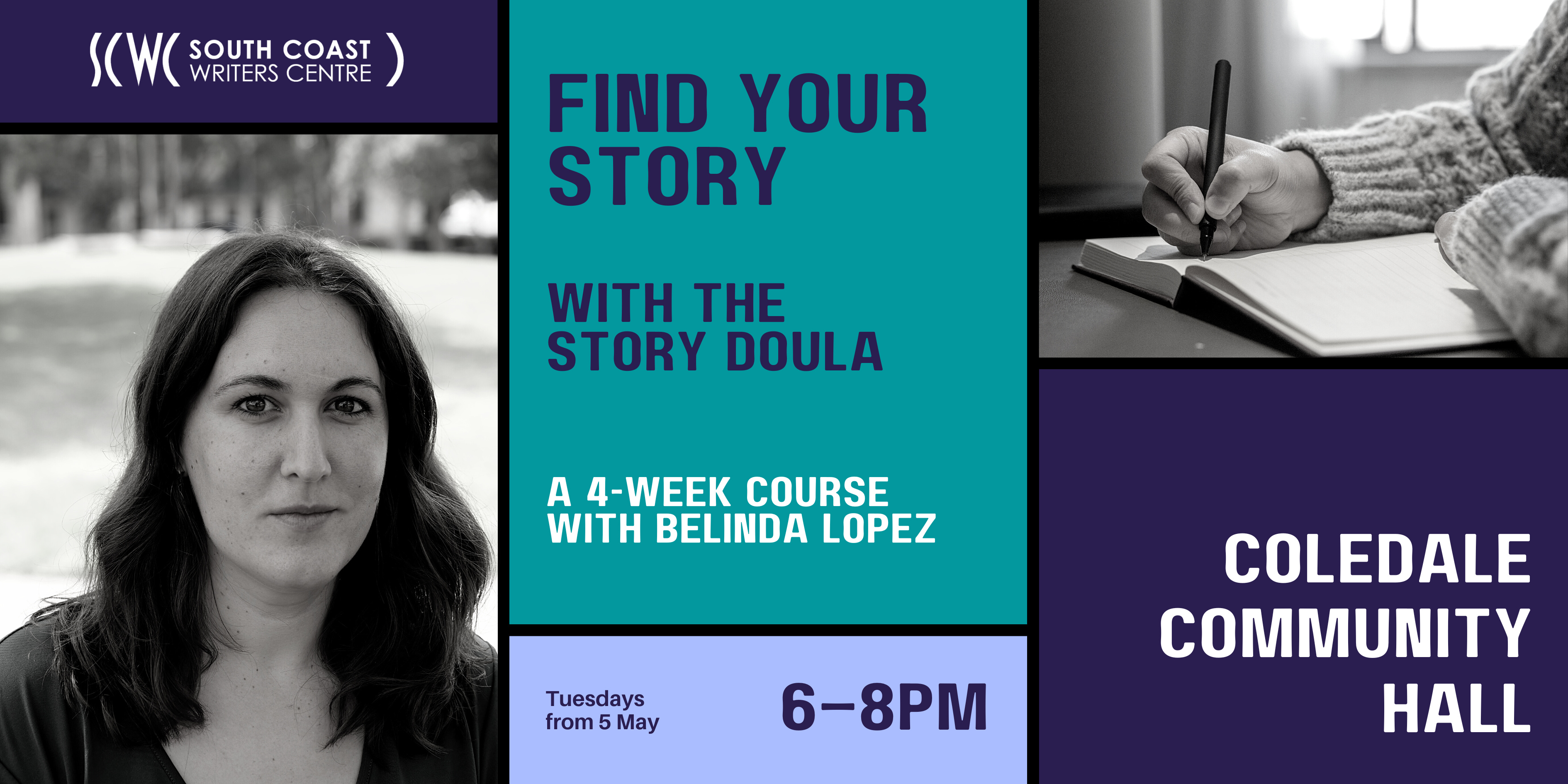
For those in Sydney and the Illawarra, there’s still some tickets left for my four-week in-person course in Coledale. ‘Find Your Story’, running on Tuesday nights from May 5th.
It’s meant to serve as a gift to yourself, at the start of a new creative project, or in the tricky middle, or those who have a desire to start telling stories but are not quite sure where to start. We’ll spend four sessions experimenting and playfully testing things out, to see what germinates.
Please share this newsletter with someone who might be interested!
Online workshops
I’ve had a few people ask me if I offer online workshops in storytelling, narrative practice and community work. The answer is: I’m thinking about it! If you’re a regular reader of this newsletter, would you mind letting me know if there’s any courses you’d be interested in taking up?
Or hit me up with suggestions and reflections on what you’ve read at notes@belindalopez.net. If you’re reading this over email, you can also hit reply. I love notes more than anything.
These days I’m opting out of the algorithm for a more organic kind of outreach. So if you’ve liked what you read, please forward this newsletter to a friend.
Take care,
Bel
P.S. Paired readings
Pair 99 Problems but a Book Ain’t One with other clarion calls for books, reading and original thought, from Jeanette Winterson, and Charlotte Wood.
